What is EPOS? 4 Publications to get a grasp on what EPOS ERIC is and does

I have been often asked by people outside of my domain what is my job. As many jobs in the IT domain, it is a little bit difficult to explain what we do: it is quite technical and abstract. It has to do with structures that do not exist in reality. It has to do with planning, with considering sustainability of the envisaged activities. We work with bits, code, data structures, metadata, with management of huge IT objects and initiatives. ...

10 maggio 2022 · Daniele Bailo

What is EPOS? 4 Publications to get a grasp on what EPOS ERIC is and does

I have been often asked by people outside of my domain what is my job. As many jobs in the IT domain, it is a little bit difficult to explain what we do: it is quite technical and abstract. It has to do with structures that do not exist in reality. It has to do with planning, with considering sustainability of the envisaged activities. We work with bits, code, data structures, metadata, with management of huge IT objects and initiatives. ...

10 maggio 2022 · Daniele Bailo

EPOS Data Portal: a FAIR Platform for Access to Multidisciplinary Data and Services in Solid Earth Sciences

There are moments when, sometimes almost unexpectedly, you find yourself taking stock of all the work done in previous years. That kind of meticulous work, made of small daily refinements and microscopic steps forward that you may not even notice. In fact, sometimes it feels as if you are standing still. Then opportunities arrive when… BOOM… everything is illuminated by a new light and the puzzle comes together. What emerges is a beautiful mosaic, with thousands of tiny tiles placed with patience and consistency. ...

7 ottobre 2021 · Daniele Bailo

EPOS Data Portal: una piattaforma FAIR per l'accesso a dati e servizi multidisciplinari delle Scienze della Terra solida

Arrivano dei momenti in cui, magari in maniera quasi inaspettata, ci si ritrova a tirare le somme di tutto il lavoro fatto negli anni precedenti. Quel tipo di lavoro certosino, fatto di piccole limature quotidiane, di microscopici avanzamenti di cui forse nemmeno ci si rende conto. Anzi, a volte sembra di rimanere fermi. Poi arrivano queste occasioni in cui…. BUMM…. tutto viene illuminato da una nuova luce e il puzzle si ricompone. ...

7 ottobre 2021 · Daniele Bailo

The three components to ENVRI-hub success

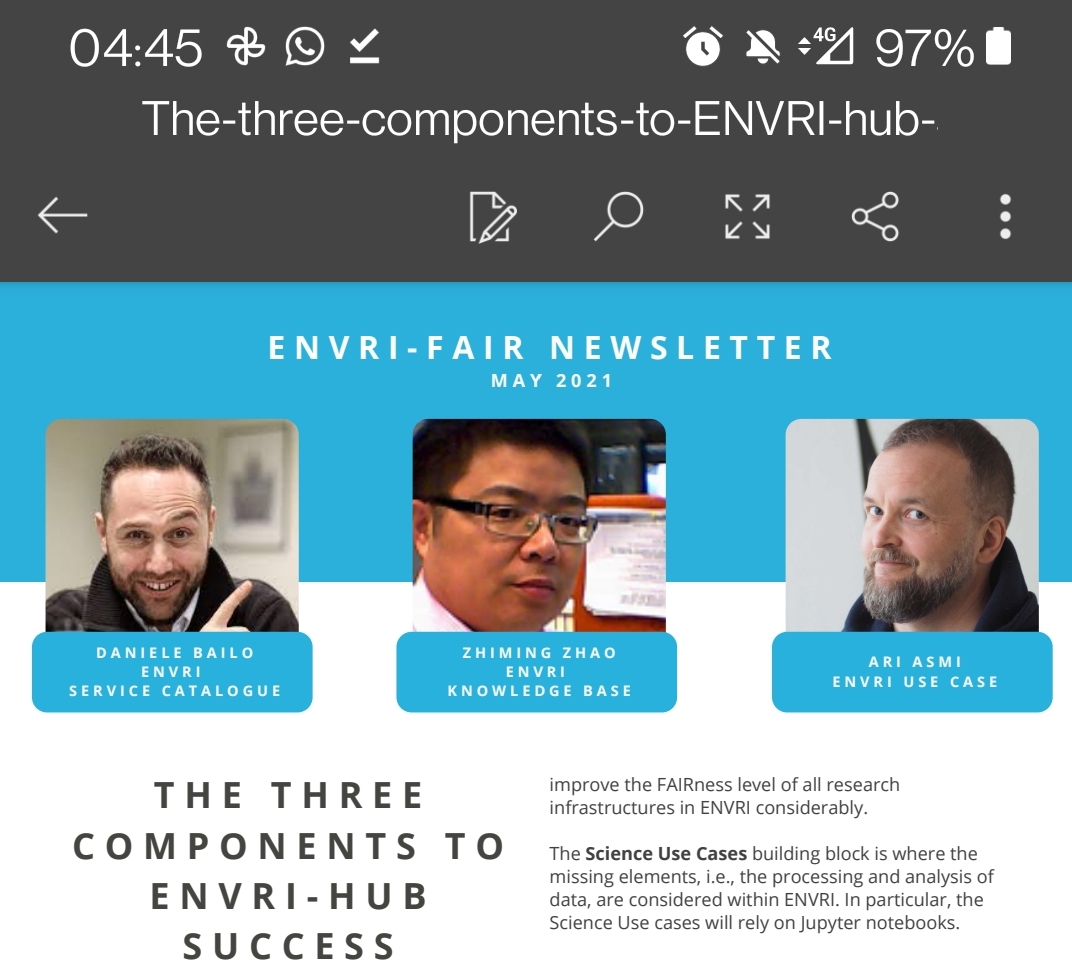
Interview with Daniele Bailo, Zhiming Zhao, and Ari Asmi, who explain the key components forming the ENVRI-hub: the ENVRI Catalogue of Services, the ENVRI Knowledge Base, and the ENVRI Use Cases. Daniele, can you explain in more detail why these three components are crucial to the ENVRI-hub? Daniele: These are three distinct but complementary elements used as containers to support the provision of heterogeneous datasets, services, and software within ENVRI. ...

1 giugno 2021 · Daniele Bailo

The three components to ENVRI-hub success

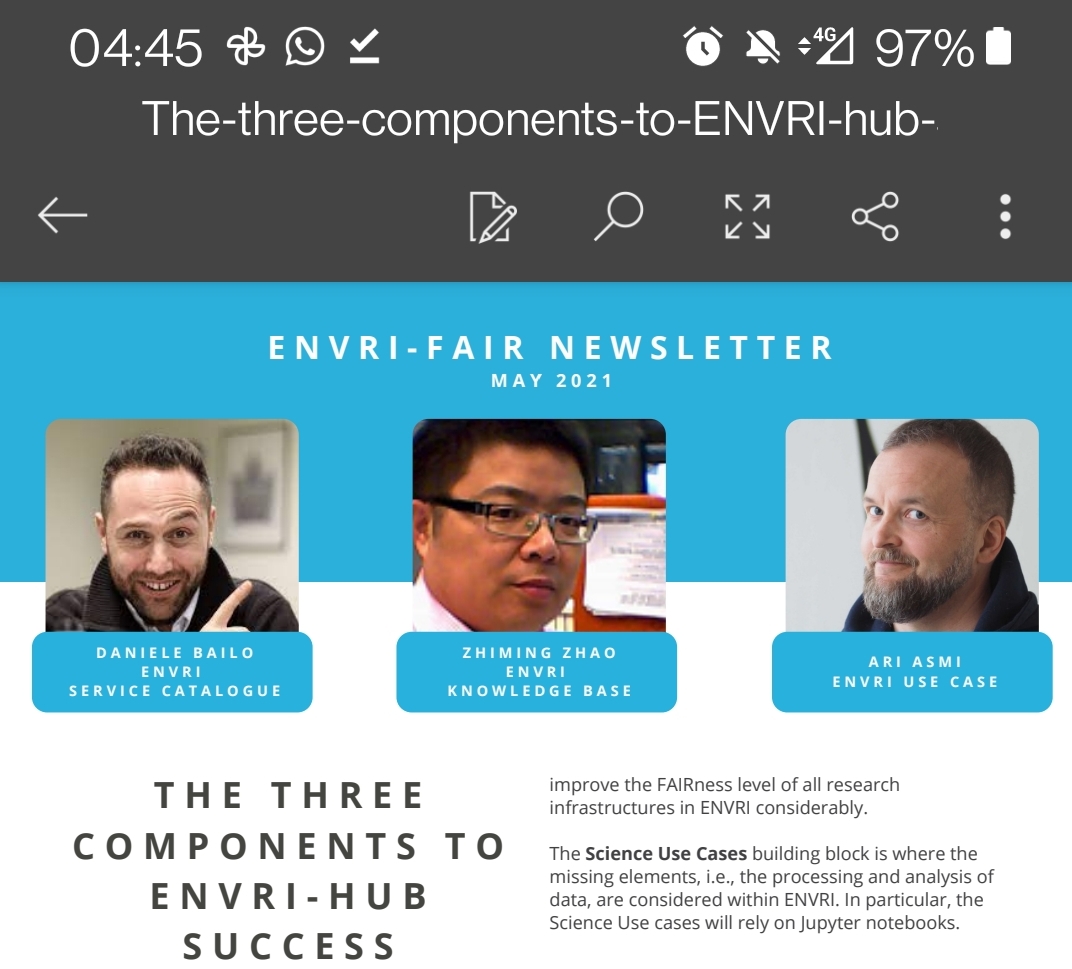
Interview with Daniele Bailo, Zhiming Zhao, and Ari Asmi who explain to you the key components forming the ENVRI-hub – the ENVRI Catalogue of Services, ENVRI Knowledge Base and ENVRI Use Cases. Daniele, can you explain a little bit more in detail what are these three components crucial to ENVRI-hub? Daniele: These are three distinct but complementary elements used as containers to convey the provision of heterogeneous datasets, services, and software in ENVRI. ...

1 giugno 2021 · Daniele Bailo

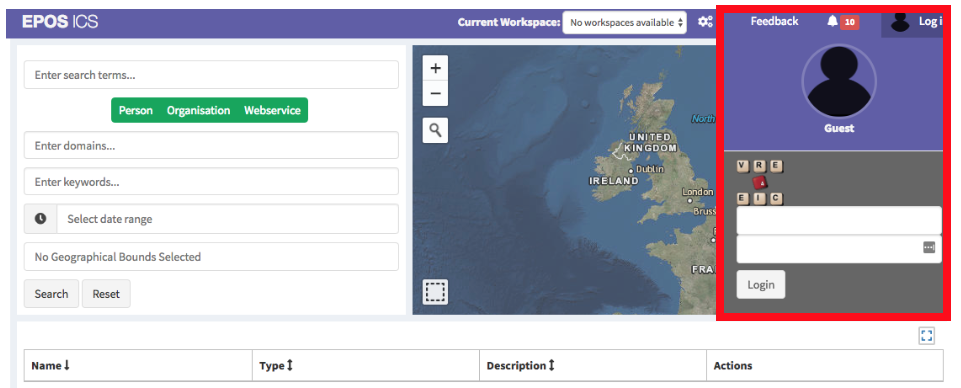
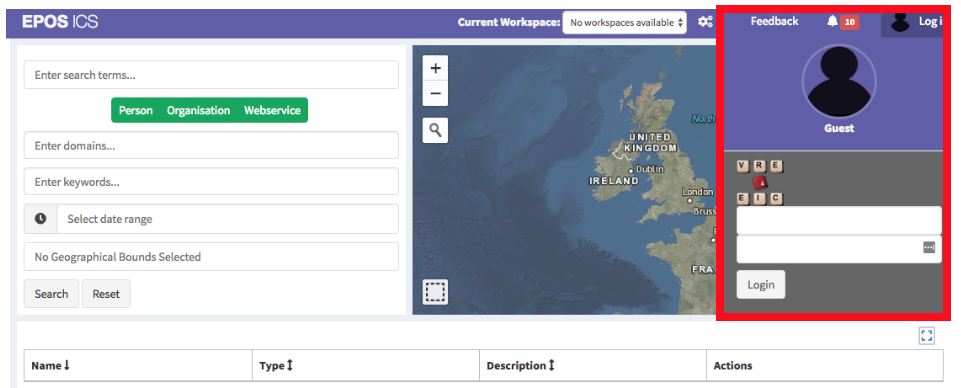
Enhancing Research Infrastructures with VRE4EIC components: the EPOS success story

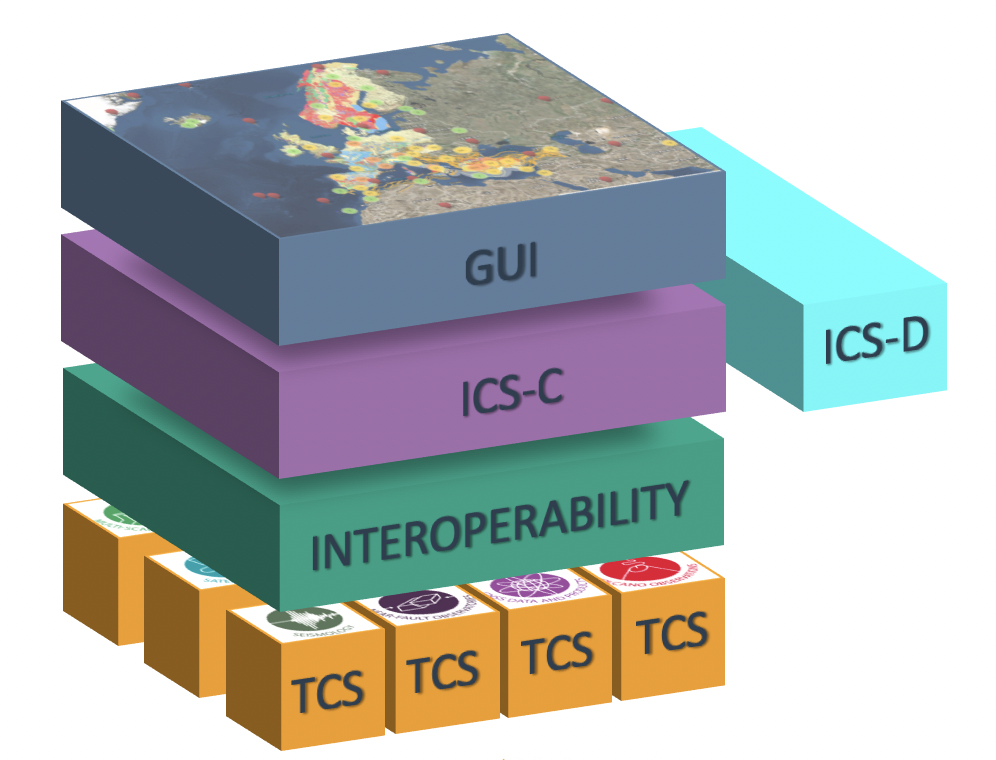
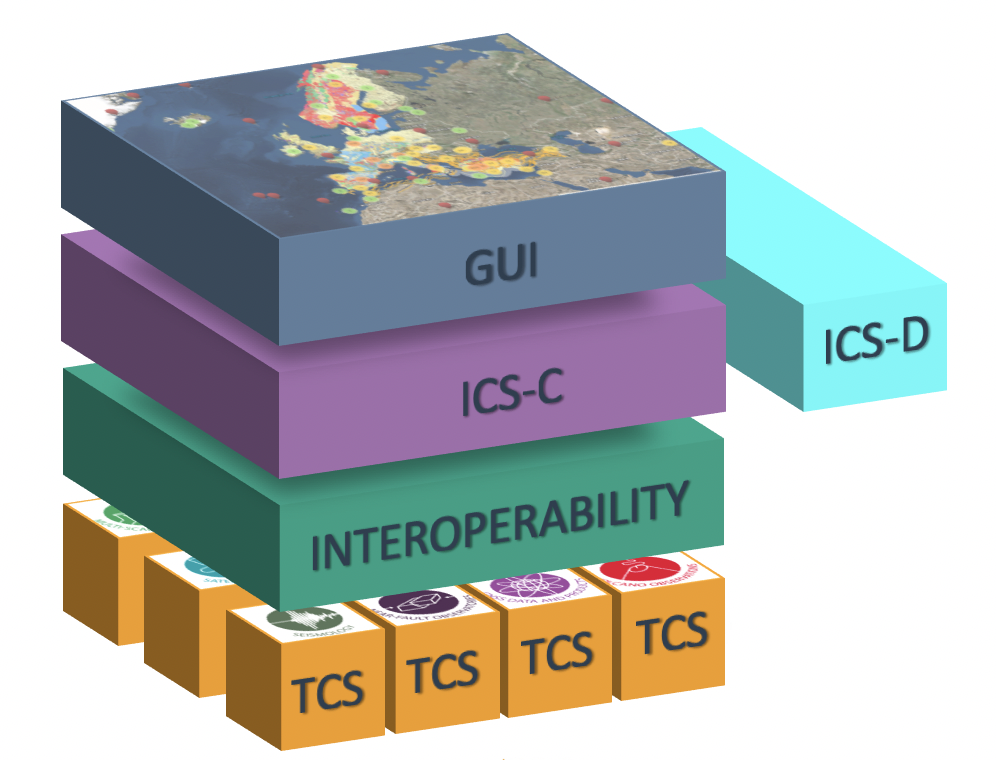
(This article was originally written for VRE4EIC Newsletter. Follow this link to the original source). The European Plate Observing System (EPOS) highlights how its research infrastructure has become more efficient and user friendly by utilizing technology developed in the frame of the EU H2020 VRE4EIC project. In the last decades quite an amount of tools, technologies and software has been developed to support and improve research throughout the entire data lifecycle[1]. This includes software, modeling tools, and even code that can be used and re-used by researchers around the world. However, more and more emphasis has been given to the structural components that enable a Research Infrastructure[2] to be sustainable, robust and, even most importantly, compliant to the FAIR principles[3]. Such principles prescribe–in order to enable reproducible science–that data need to be findable, accessible, interoperable and reusable. It is usually up to research infrastructure designers, developers and managers to find the best architecture and technologies to enable FAIR to become reality in their scientific domain. However, looking transversally at science domains, it is clear that there is a number of challenges common to several communities, as evidenced by the common requirements elicitation and analysis of existing technical assets carried out both in the VRE4EIC and ENVRIplus project[4]. In this framework, VRE4EIC is promoting the adoption of common, standard technical solutions in order to facilitate Research Infrastructures in facing shared challenges and thus complying with FAIR principles. This is the case of the European Plate Observing System (EPOS), a Distributed Research Infrastructure long-term plan to facilitate integrated use of data, data products, and facilities from distributed research infrastructures for solid Earth science in Europe. ...

30 ottobre 2018 · Daniele Bailo

Enhancing Research Infrastructures with VRE4EIC components: the EPOS success story

(This article was originally written for VRE4EIC Newsletter. Follow this link to the original source). The European Plate Observing System (EPOS) highlights how its research infrastructure has become more efficient and user friendly by utilizing technology developed in the frame of the EU H2020 VRE4EIC project. In the last decades quite an amount of tools, technologies and software has been developed to support and improve research throughout the entire data lifecycle[1]. This includes software, modeling tools, and even code that can be used and re-used by researchers around the world. However, more and more emphasis has been given to the structural components that enable a Research Infrastructure[2] to be sustainable, robust and, even most importantly, compliant to the FAIR principles[3]. Such principles prescribe–in order to enable reproducible science–that data need to be findable, accessible, interoperable and reusable. It is usually up to research infrastructure designers, developers and managers to find the best architecture and technologies to enable FAIR to become reality in their scientific domain. However, looking transversally at science domains, it is clear that there is a number of challenges common to several communities, as evidenced by the common requirements elicitation and analysis of existing technical assets carried out both in the VRE4EIC and ENVRIplus project[4]. In this framework, VRE4EIC is promoting the adoption of common, standard technical solutions in order to facilitate Research Infrastructures in facing shared challenges and thus complying with FAIR principles. This is the case of the European Plate Observing System (EPOS), a Distributed Research Infrastructure long-term plan to facilitate integrated use of data, data products, and facilities from distributed research infrastructures for solid Earth science in Europe. ...

30 ottobre 2018 · Daniele Bailo

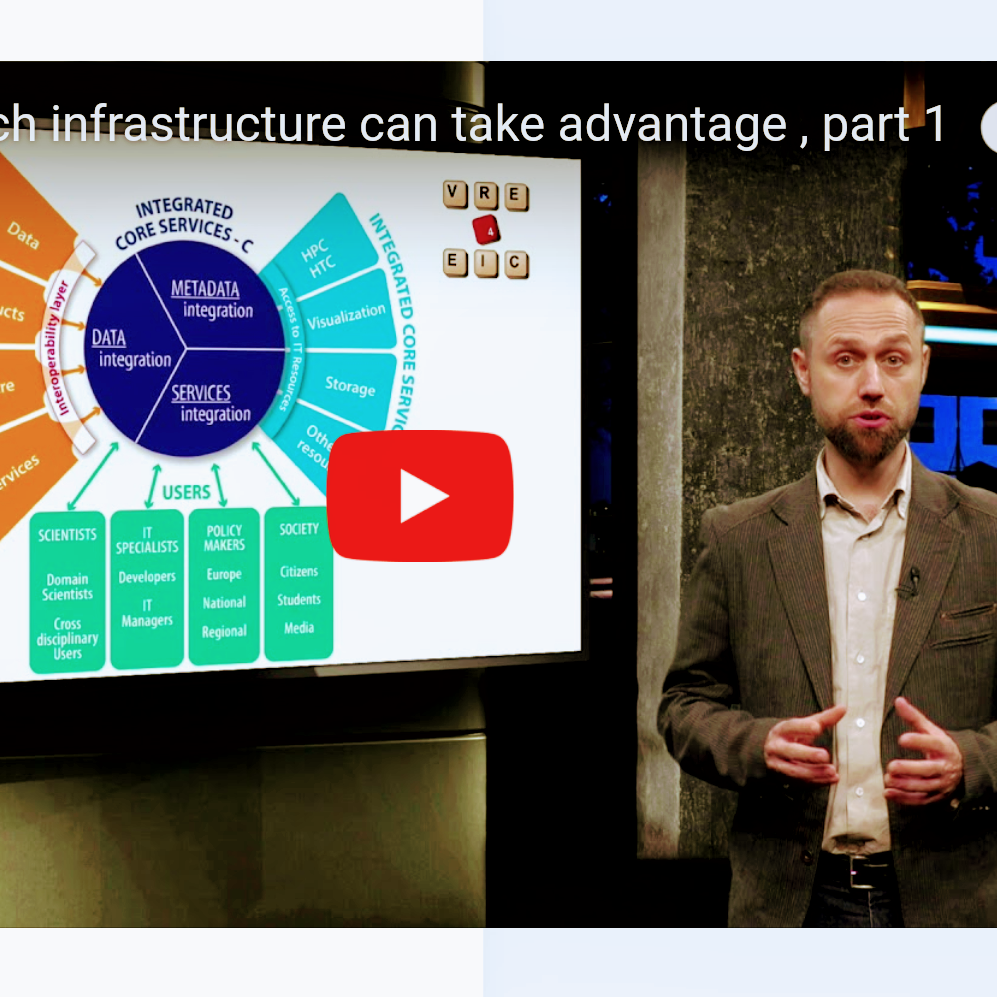
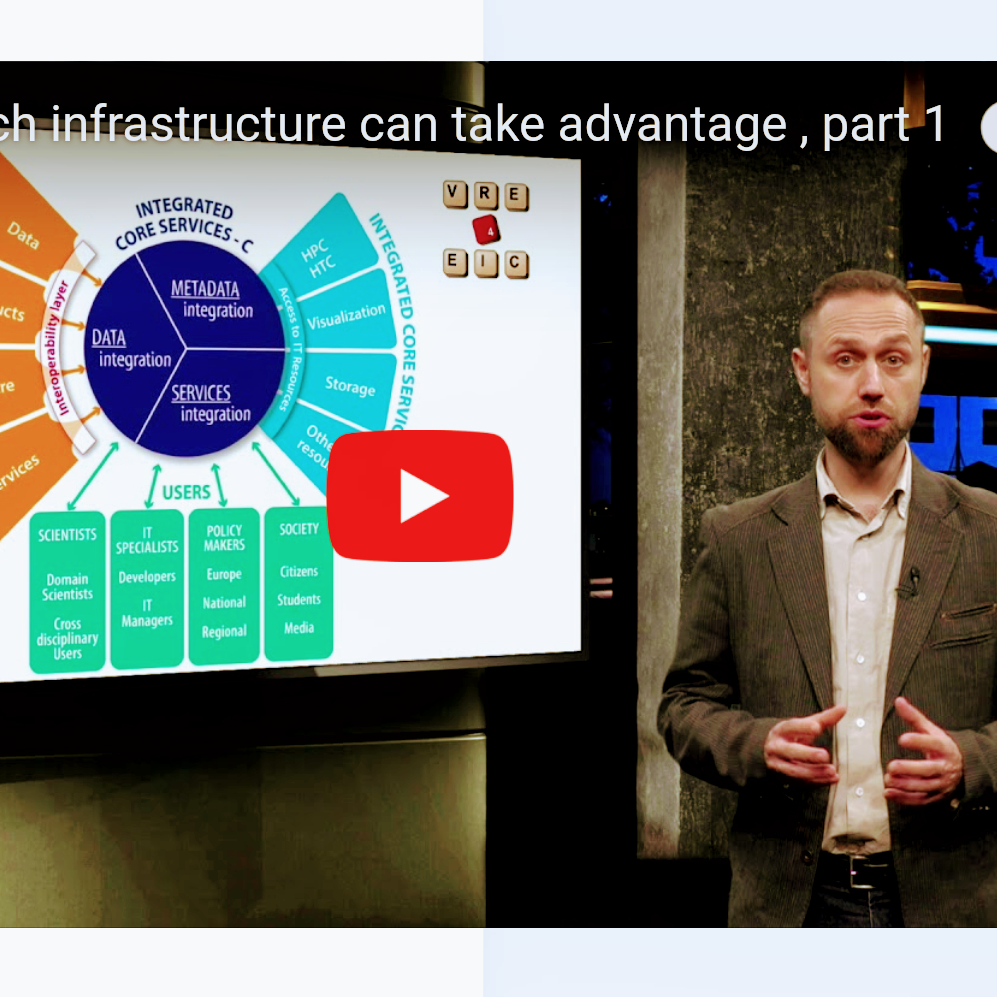
How Research Infrastructures can take advantage of interoperable VRE building blocks

It feels a little strange: I am both proud of and slightly shy about the video we released in the framework of the VRE4EIC project. It was funny: I had just landed at Schiphol airport and rushed to TU Delft University. I suddenly found myself at the New Media Center, in front of a camera, inside a soundproof studio with a bright green background, with a few people watching, or perhaps staring, from behind the soundproof glass. Then I had to start speaking with my southern European English accent. That was the embarrassing part. ...

9 agosto 2018 · Daniele Bailo

How Research Infrastructures can take advantage of interoperable VRE building blocks

Well, it’s weird: I’m at the same time proud and shy about the video we released in the framework of VRE4EIC project. It was funny: I had just landed at Schipol airport and then rushed to TUDelft university… and I found myself at the New Media Center in front of a camera, in a soundproof studio with a bright-green background, just a few people watching (or staring at? :)) me behind the soundproof glass and I had to start talking with my south European English accent (that’s the embarrassing part :)) ...

9 agosto 2018 · Daniele Bailo