Introduction to Artificial Intelligence: Applications, Foundations, and Ethical Challenges

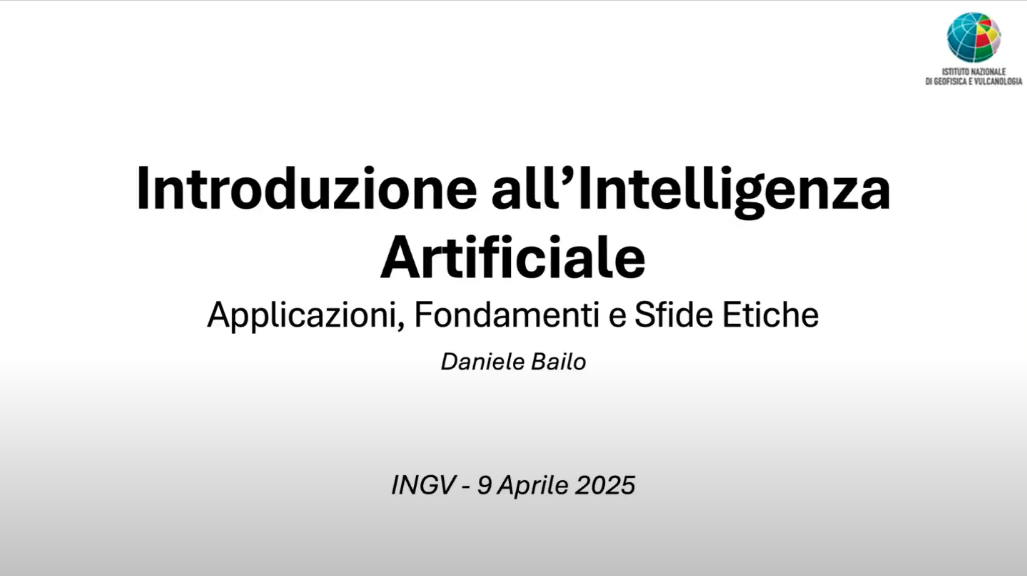
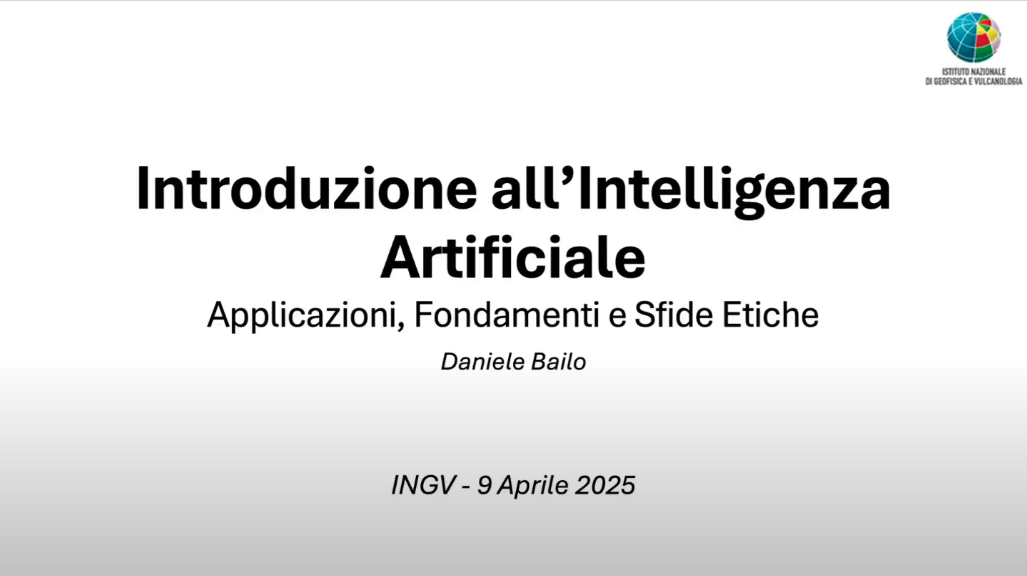
I am pleased to share an introduction to the world of Artificial Intelligence (AI), exploring its applications in everyday life as well as in scientific and technological contexts. The seminar examines the fundamental principles that guide AI development, with a focus on advanced technologies such as Machine Learning and Deep Learning, and discusses the differences between generative and traditional AI. It also offers space for reflection on the ethical and environmental aspects of AI use, in line with the European regulatory framework and the challenges ahead. ...
8 maggio 2025 · Daniele Bailo

Introduzione all’Intelligenza Artificiale Applicazioni, Fondamenti e Sfide Etiche

Ho il piacere di presentarvi un’introduzione al mondo dell’Intelligenza Artificiale (AI), che esplora le applicazioni nella vita quotidiana e nei contesti scientifici e tecnologici. Nel seminario vengono approfonditi i principi fondamentali che guidano lo sviluppo dell’AI, con un focus su tecnologie avanzate come il Machine Learning e il Deep Learning, e sono analizzate le differenze tra AI generativa e tradizionale. Il contributo fornisce inoltre uno spazio di riflessione sugli aspetti etici e ambientali legati all’uso delle AI, in linea con il quadro normativo europeo e le sfide del futuro. ...

8 maggio 2025 · Daniele Bailo

Innovation in Earth Science: the EPOS Data Portal

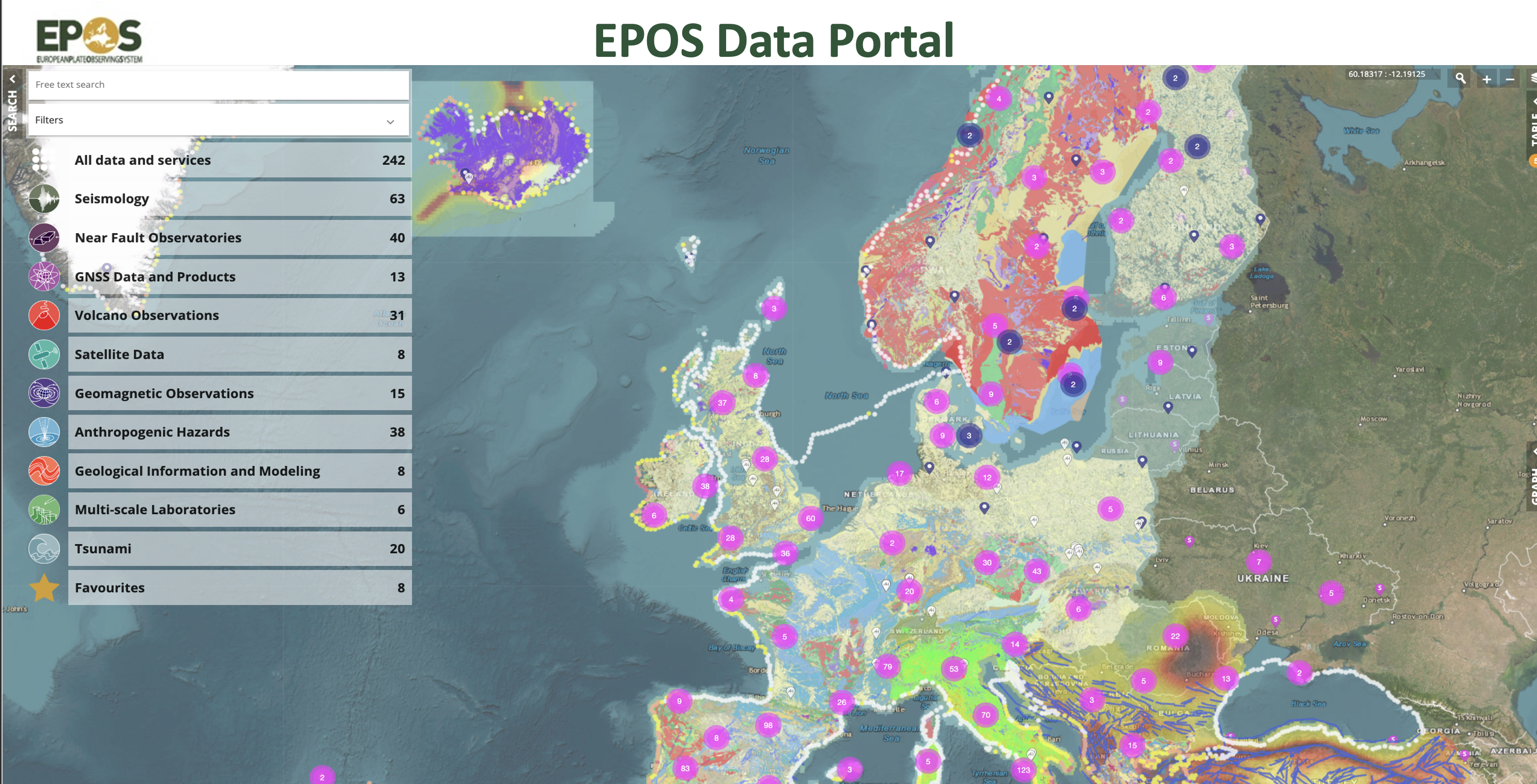
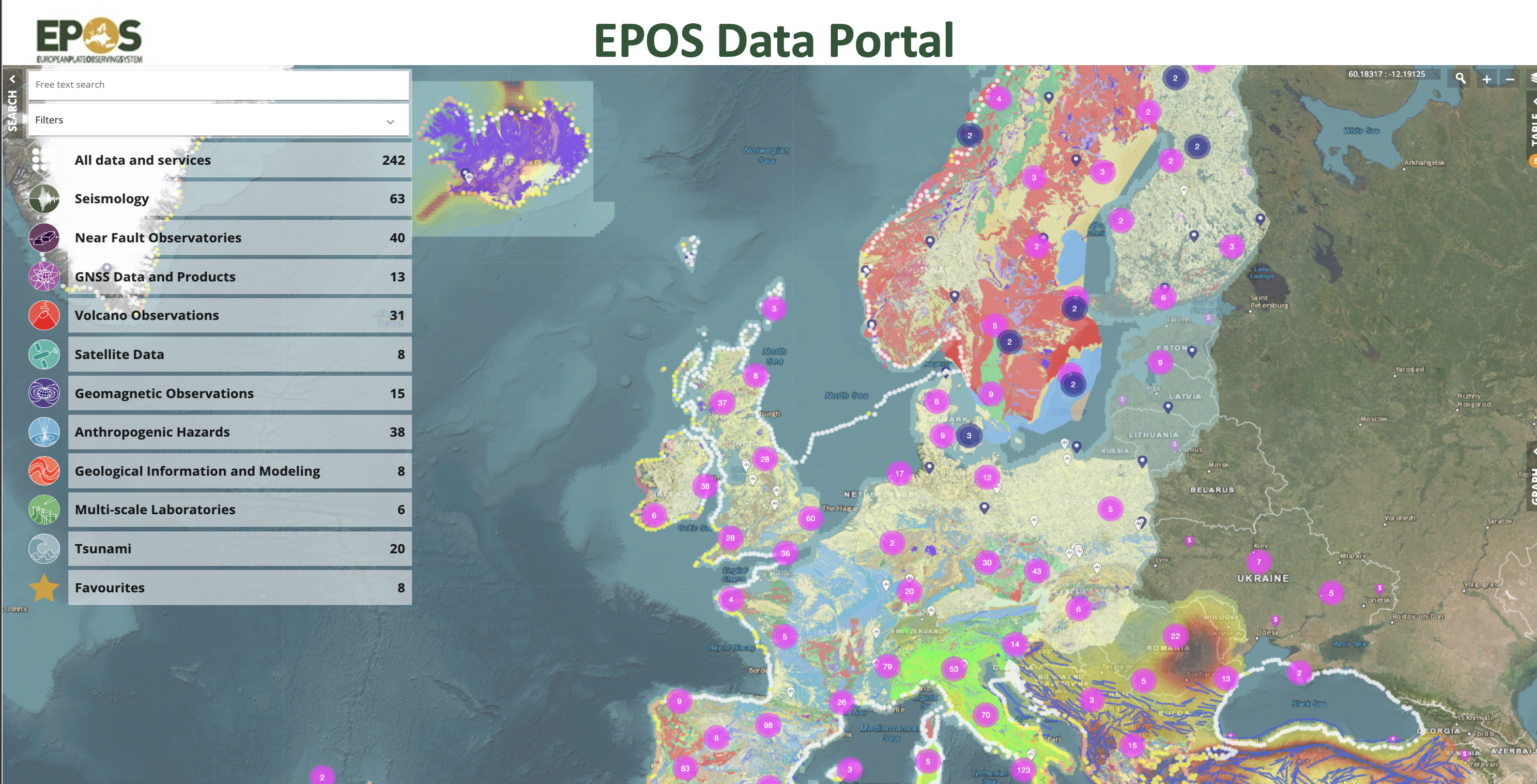
In November 2023, Nature Scientific Data published a scientific article presenting the data integration and computer science work that I carried out over the last 10 years together with a team of truly excellent colleagues. The article presents an initiative that is changing the way we approach Earth-science research in Europe: the EPOS Data Portal. In this post, I will explain in accessible terms what makes this multidisciplinary platform so special. The European Plate Observing System (EPOS) is not just an international initiative; it is a vision that is redefining Earth science in Europe. This pioneering research infrastructure has built a unique collaborative environment where the sharing and use of scientific data are encouraged, supported, and carefully managed. Open Data, in its purest spirit, allows everyone, scientists, policy makers, experts, and citizens, to access information freely. By adhering to the FAIR principles (Findable, Accessible, Interoperable, Reusable), EPOS is becoming a European reference point and a symbol of open and interoperable access to data. This approach not only opens new doors to knowledge, but is also a fundamental step toward more inclusive, collaborative, and innovative scientific research. ...

23 novembre 2023 · Daniele Bailo

L'Innovazione nel Mondo della Scienza della Terra: Il Portale Dati EPOS

Nel mese di Novembre 2023 è stato pubblicato su Nature Scientific Data, un articolo scientifico che presenta il lavoro di Data Integration e Computer Science che, insieme ad un team di colleghi davvero bravi, ho effettuato negli ultimi 10 anni. L’articolo presenta un’iniziativa che sta cambiando il modo in cui affrontiamo la ricerca scientifica sulla Terra in Europa: il Portale Dati EPOS. In questo post, vi racconterò in modo accessibile cosa rende questa piattaforma multidisciplinare così speciale. ...

23 novembre 2023 · Daniele Bailo

European Open Science Cloud (EOSC): Key Challenges and Opportunities for the Future of EU Research

The EU is ideally positioned to take a global leadership role in the development of a cloud environment for science. The European Open Science Cloud (EOSC) will be the virtual environment where multidisciplinary data, access infrastructures, and computing resources are made available to researchers and private-sector actors. Europe has long promoted the sharing of scientific research data, which should be remembered as an investment on which national governments and the European Community are spending substantial resources, in the order of billions of euros. ...

14 giugno 2022 · Daniele Bailo

European Open Science Cloud (EOSC): sfide e opportunità cruciali per il futuro della ricerca Ue

L’Ue è nella posizione ideale per assumere un ruolo guida a livello mondiale nello sviluppo di un cloud in ambito scientifico. Lo European Open Science Cloud (EOSC) sarà l’ambiente virtuale dove dati multidisciplinari, infrastrutture per l’accesso e per il calcolo verranno rese disponibili a ricercatori e privati L’Europa promuove da sempre la condivisione dei dati della ricerca scientifica che – ricordiamolo – sono un investimento su cui gli Stati nazionali e la Comunità europea stanno puntando cifre elevate, nell’ordine di miliardi di euro. ...

14 giugno 2022 · Daniele Bailo

The three components to ENVRI-hub success

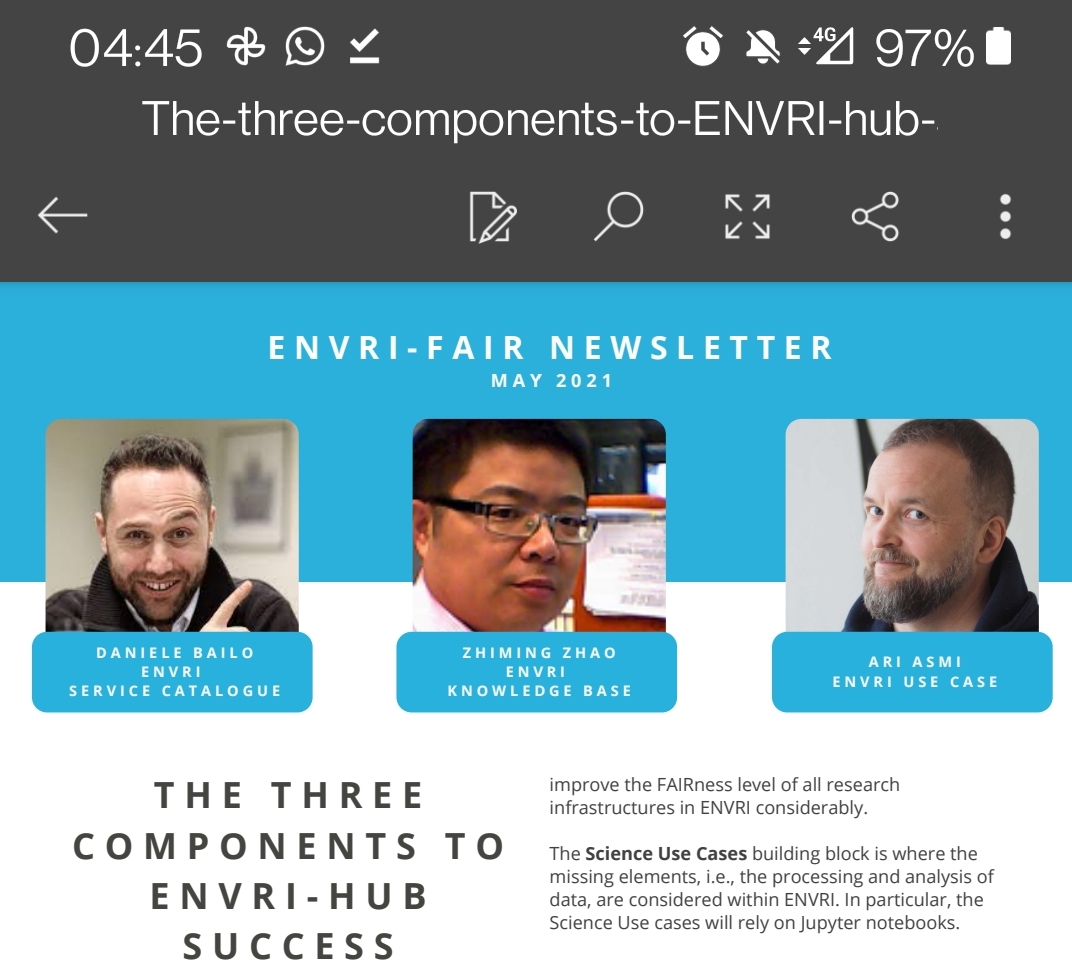
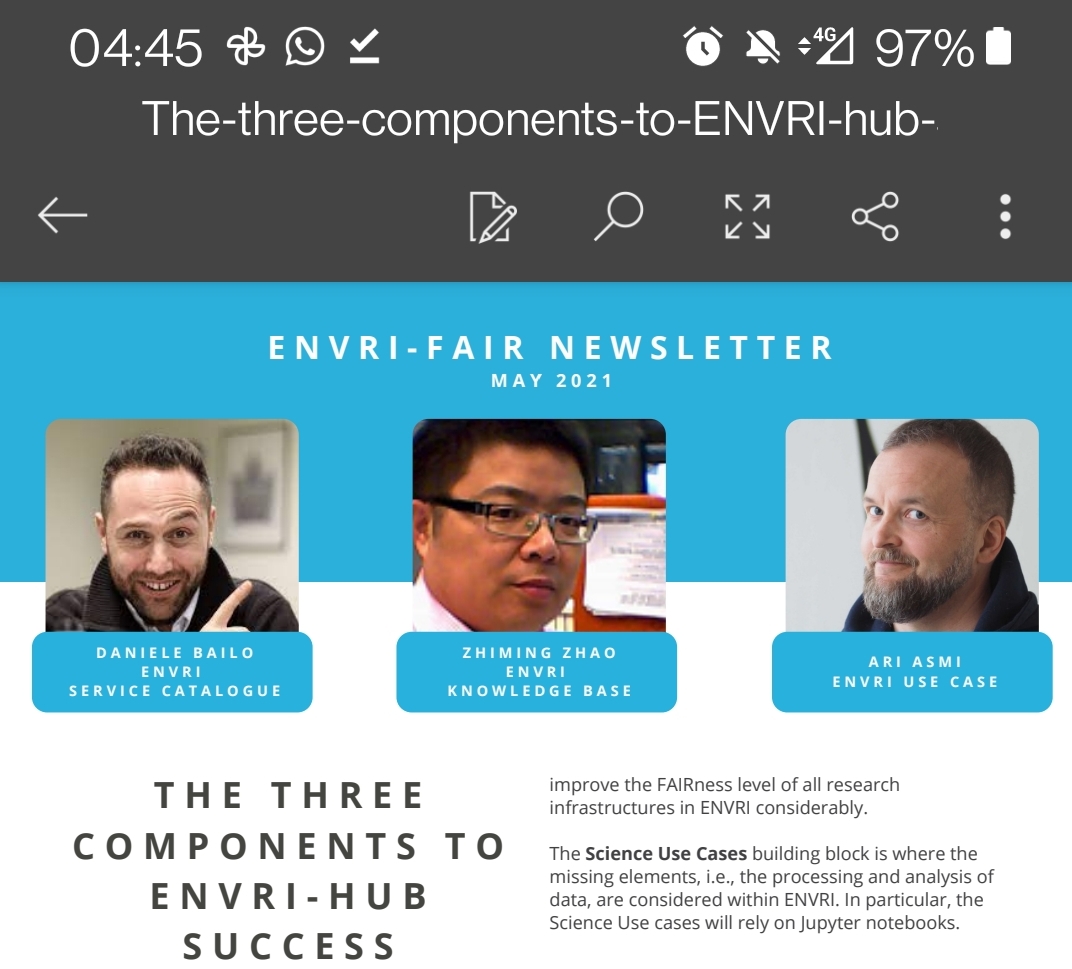
Interview with Daniele Bailo, Zhiming Zhao, and Ari Asmi, who explain the key components forming the ENVRI-hub: the ENVRI Catalogue of Services, the ENVRI Knowledge Base, and the ENVRI Use Cases. Daniele, can you explain in more detail why these three components are crucial to the ENVRI-hub? Daniele: These are three distinct but complementary elements used as containers to support the provision of heterogeneous datasets, services, and software within ENVRI. ...

1 giugno 2021 · Daniele Bailo

The three components to ENVRI-hub success

Interview with Daniele Bailo, Zhiming Zhao, and Ari Asmi who explain to you the key components forming the ENVRI-hub – the ENVRI Catalogue of Services, ENVRI Knowledge Base and ENVRI Use Cases. Daniele, can you explain a little bit more in detail what are these three components crucial to ENVRI-hub? Daniele: These are three distinct but complementary elements used as containers to convey the provision of heterogeneous datasets, services, and software in ENVRI. ...

1 giugno 2021 · Daniele Bailo

Science and Social Media - Part IV (the end)

After looking in a previous post at some of the technological reasons behind the success of social networks, let us now consider what the new wealth of this social era is, and what opportunities and risks it creates for science. 4 The new wealth: data and the stream In the scenario described so far, the new wealth consists partly of data and their ownership, and partly of the possibility of sharing them and keeping this continuous flow, the so-called stream, constantly updated. Data ownership can be fairly easily connected to economic wealth: statistical and IT tools for exploring data (data mining) make it possible to extract valuable information that can be used strategically in economic contexts. This action is also promoted at intercontinental level, in the United States and Europe, through initiatives that spread open data policies, meaning policies that encourage opening data to everyone. See the two Italian examples at national and regional level. The data flow, or stream, is equally valuable because it attracts a large number of users: this is what happens on Facebook when users check their wall for friends’ updates. This guarantees a constant user presence, to whom advertising messages can be delivered and who can also be directed toward content of interest, such as advertising or online shopping sites. In this context, we will focus on the aspects most closely related to science. ...

19 dicembre 2015 · Daniele Bailo

Scienza e social media - Part IV (the end)

Dopo aver visto in un post precedente alcuni dei motivi tecnologici successo dei social networks, vediamo ora quale sia la nuova ricchezza in questa era social, e quali siano le opportunità e i rischi per la scienza in questo scenario. 4 La nuova ricchezza: i dati e lo stream Nello scenario sin qui mostrato, la nuova ricchezza è costituita quindi da una parte dai dati e dal loro possesso, dall’altra dalla possibilità di condividerli e di avere questo ‘flusso continuo’ (il cosiddetto ‘stream’) sempre aggiornato. Il possesso di dati può essere in maniera abbastanza semplice correlato ad una ricchezza economica: le possibilità offerte dagli strumenti statistici e informatici di esplorare i dati (data mining) permette infatti di trarre informazioni preziose utilizzabili strategicamente in ambito economico. Questa azione, tra l’altro, viene promossa a livello intercontinentale (Stati Uniti ed Europa) con azioni che tendono a diffondere le politiche di open data, ovvero politiche che favoriscono l’apertura a tutti di tutti i dati (si vedano i due esempi italiani, a livello nazionale e regionale). Il flusso dei dati (lo stream) è altrettanto prezioso poichè attrae una grande quantità di utenti: è quello che succede su facebook quando si consulta la propria “bacheca” in cerca delle novità degli amici. Questo garantisce quindi una presenza costante di utenti, a cui è possibile veicolare messaggi pubblicitari e che possono inoltre essere in un certo modo ‘indirizzati’ a contenuti di interesse (pubblicità, siti compravendita online ecc). In questo contesto prenderemo in esame gli aspetti più legati alla scienza. ...

19 dicembre 2015 · Daniele Bailo